
About the Bracken Prize
Championing original ideas in business writing
At a time when business increasingly shapes social, technological and economic change, there is a growing need for original, independent thinking. Yet opportunities for emerging authors to develop serious, long form business ideas remain limited.
The Bracken Prize for young authors addresses this gap by focusing on unpublished business book proposals and supporting ideas at a formative stage. Developmental in nature, the prize offers recognition and expert scrutiny, prioritising originality, intellectual rigour and clarity of argument over commercial polish.
It was first awarded in 2014 and has been a launch pad for many business books based on winning and shortlisted proposals.
Overview of the process
Submission
Authors submit an unpublished business book proposal outlining the central idea, scope and intended contribution. Proposals should demonstrate clarity of thought, ambition and relevance to contemporary business debate. Submission deadline is 30 September (11:59pm British Summer Time).
Shortlisting
Following an initial review, a shortlist of proposals will be selected. Shortlisted entries will reflect a range of perspectives and approaches, united by intellectual rigour and ambition.The shortlist will be published in early November.
Finalist announcement
Three finalists will be selected from the shortlist. The finalists will be formally announced ahead of the award ceremony in late November.
Judging and award
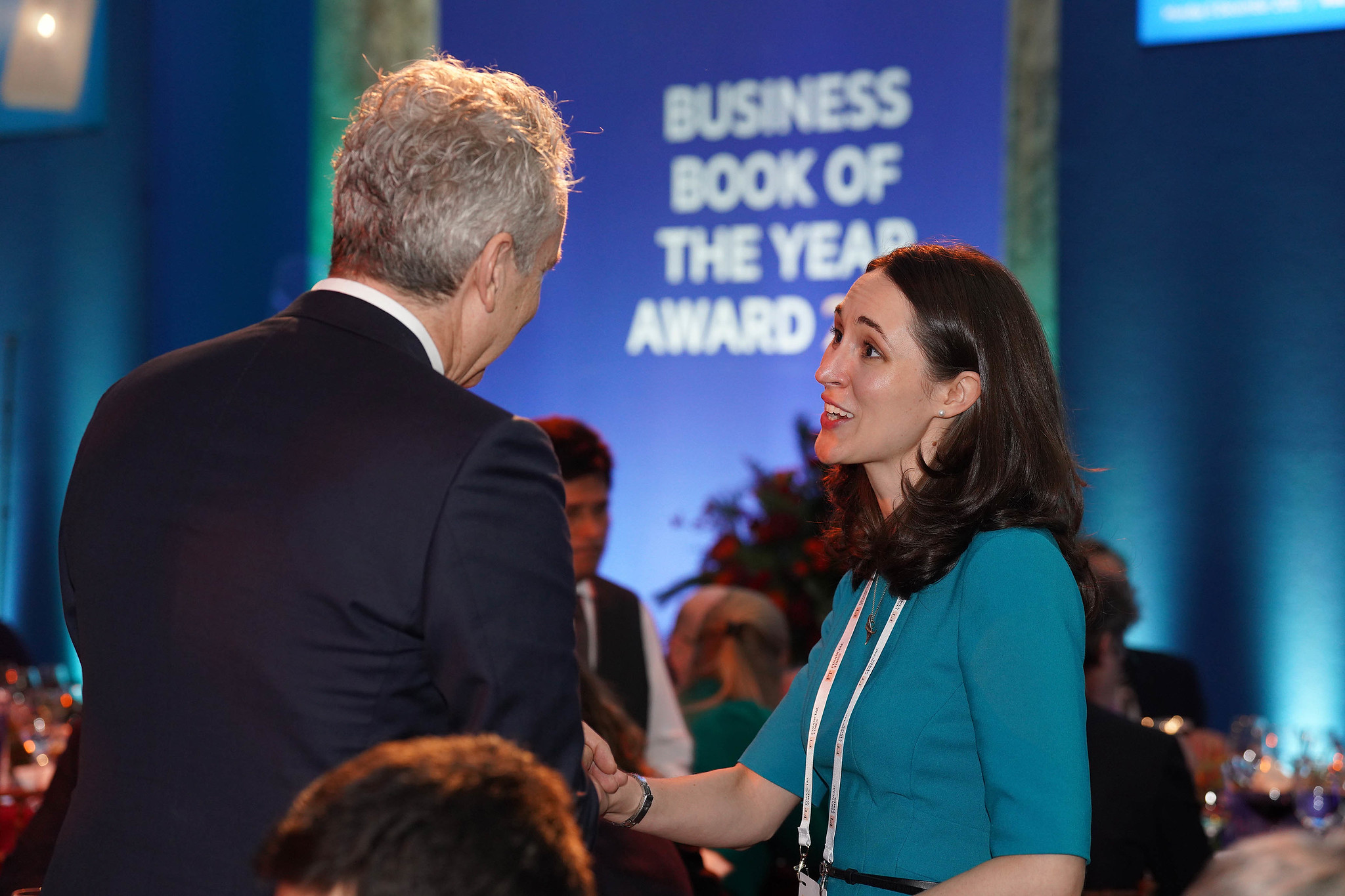
The winner of the Bracken Prize for Young Authors will be selected by the judging panel and announced at an award ceremony, held together with the Financial Times and Standard Chartered Business Book of the Year Awards.
What the judges are looking for
Judges are looking for unpublished proposals that demonstrate originality of thought, intellectual rigour and a distinctive perspective on contemporary business challenges or emerging trends.
Successful submissions will combine ambition of scope with clarity of argument, alongside the ability to communicate complex ideas in a clear, engaging and accessible way.
© Financial Times Live
FT Live and its journalism are subject to a self-regulation regime under the FT Editorial Code of Practice